The ice cap and its coast
Vatnajökull glacier & national park guide [2026]
Vatnajökull is an ice cap with many outlet glaciers. Vatnajökull National Park covers a much broader landscape of glaciers, volcanoes, rivers and plains. For a trip based in Höfn, the practical choices lie along the southern coast: shoreline views, public walks and named guided glacier activities.
Compare tours: Jökulsárlón boat tours compared [2026] →
Updated
The short answer
Choose a specific outlet and meeting point rather than booking “Vatnajökull” as though it were one entrance. A public glacier viewpoint, guided ice walk and natural cave excursion are three different visits.
An ice cap is not a single attraction gate
The ice cap feeds outlet glaciers that descend into different valleys. Breiðamerkurjökull reaches the Jökulsárlón area; Falljökull is associated with guided walking products from Skaftafell; Fjallsjökull is the glacier behind Fjallsárlón. Those names help explain the actual activity and departure base much better than the broad Vatnajökull label.
The national park extends beyond the ice itself. Its World Heritage landscape includes the interaction of ice and volcanic systems, shaped plains and changing river courses. The official park describes an area exceeding 1.4 million hectares, nearly fourteen percent of Iceland. That figure refers to the wider protected property, not the area you cover on a short glacier outing.
For a visitor, this scale means you should plan by region. A guide sold from Jökulsárlón does not conveniently cover every visitor centre, waterfall or northern volcanic area. Start with the stretch of coast you can reasonably reach from your accommodation and choose one route there.
Three ways to experience the southern glaciers
A shore visit gives the broad landscape: ice floating in Jökulsárlón, fragments on Diamond Beach and views towards the outlet glacier. It does not require an activity ticket, though parking area fees apply. This is suitable for mixed-interest groups who want flexibility and can use marked routes safely.
A guided glacier hike brings you onto the ice with technical equipment and a qualified guide. Compare the approach, actual ice time, fitness and footwear rules. The checked introductory Skaftafell product lasts three hours overall; the lagoon-start Ice Explorers hike lasts four and a half. Neither duration should be mistaken for uninterrupted walking on ice.
A cave trip targets a natural blue-ice formation, generally in winter. Depending on the product, this can be a relatively short cave outing or part of a substantial glacier hike. The actual formation and the path to it vary with safety conditions, and no archived photograph can establish what will be accessible on your date.
Skaftafell for visitor trails and guided walks
Skaftafellsstofa is open year-round and is the place to ask about current public trail conditions. The S 1 glacier visitor loop is published as 4.1 km, easy, with eighty metres of ascent and an estimated one to one and a half hours. It explores the foreland and approaches a glacier view rather than becoming a safe independent ice route.
Guided products sold from Skaftafell can meet at private operator bases and transfer to another outlet, often Falljökull. Check the final pin. The verified Tröll introductory walk includes free parking at its meeting point; that does not change the national park charge at the visitor-centre lot or apply to all suppliers.
Höfn–Skaftafell is approximately 136 km in the operator road-distance reference used here. That is the one-way journey to Skaftafell, not the distance to Jökulsárlón. Allow for weather, daylight, check-in and breaks instead of converting kilometres into a guaranteed driving time.
Jökulsárlón for lagoon and glacier departures
The lagoon is a natural centre for coastal visits, with the beach immediately across Route 1 and several guide meeting points around the parking area. A cave or hiking tour usually includes its own vehicle transfer towards Breiðamerkurjökull. It is not a walk directly from the café onto a stable public glacier path.
Summer boat choices have separate seasons and requirements. The direct operator normally advertises Zodiac trips May–October and amphibian trips May–November, but its general FAQ gives the shorter May–October summary. Use the actual calendar around either end of the season. Seeing the lagoon in winter does not imply boats are available.
Höfn is a useful accommodation base, but the postal use of its name across the region can mislead. A listing with a Höfn address can still meet at the lagoon. Verify the departure pin before booking hotel transport or planning a morning departure.
Fjallsárlón has its own products and approach
The park places Fjallsárlón ten kilometres from Jökulsárlón; the operator describes about ten minutes by road between the two. Those are broad planning references, not a reason to leave only ten minutes between two timed reservations. Parking, walking and check-in need additional space.
The Fjallsárlón classic Zodiac product is advertised as seventy-five minutes overall, with approximately forty-five minutes on the water. Its direct page shows April–November and a minimum age of five. This is a different lagoon with different family terms from the Jökulsárlón Zodiac.
A verified four-hour Fjallsárlón combination adds a guided glacier walk and has a fourteen-year minimum. If you want both boating and hiking in one coordinated activity, compare that specifically. Do not substitute its booking for a standard Jökulsárlón cruise without noticing that the reception and itinerary have changed.
Fees and access without confusion
The checked park tariff for a car with up to five seats is ISK 1,110 in the Skaftafell and Jökulsárlón service areas. It lasts until midnight on the payment date, with re-entry to that area. Larger vehicles have other tariffs. A fifty-percent reduction is stated for a second fee area on the same calendar date after paying the first.
This is not a universal ticket covering every private destination. Stokksnes, for example, has privately managed access outside these parking arrangements, while a tour operator may separately offer free parking at its own base. The fare for an activity and the site’s access charge should be labelled separately in your budget.
Follow current signs and licence-plate payment instructions. If a rental car’s registration is entered incorrectly, a screenshot of a different plate’s payment does not resolve the mismatch. Check the details before leaving the lot and keep the receipt for reference.
Seasonal planning is more useful than a checklist
In summer, longer light can make a coastal day feel generous, but two technical activities still require careful coordination. Pick the main booking and allow the rest to remain optional. Wind and ice can cancel boats, and glacier conditions can change a walking route even when the road is open.
In winter, road travel and daylight become stronger constraints. Natural caves are usually the attraction, yet calendars differ between routes. Regional November–March guidance and individual October–April products describe different operating windows, not a contradiction that can be solved by choosing a universal date.
Avoid turning a holiday into an attempt to reproduce a route from another season. A winter lagoon visit, summer boat cruise and longer glacier hike need different pacing and clothing. Ask what is feasible now and choose a day you can enjoy even if a secondary stop is dropped.
Glacier safety and responsible viewing
Safetravel advises inexperienced visitors against entering glaciers without appropriate knowledge and equipment and recommends a qualified guide. A technical kit by itself does not reveal crevasses or unstable margins. Stay on the guide’s route and do not follow a stranger onto the ice from a public viewpoint.
Respect birds, vegetation and marked paths on the coast. For drones, consult the national park’s regional rules rather than assuming one rule applies everywhere; some popular areas have seasonal or time restrictions. A photograph is not permission to enter closed ground.
Check the official road map and forecast just before travel, read the operator’s latest message and keep a flexible alternative. Appreciating Vatnajökull can mean a shoreline and visitor trail day as much as a technical expedition. Choose the format that fits the group and the actual conditions.
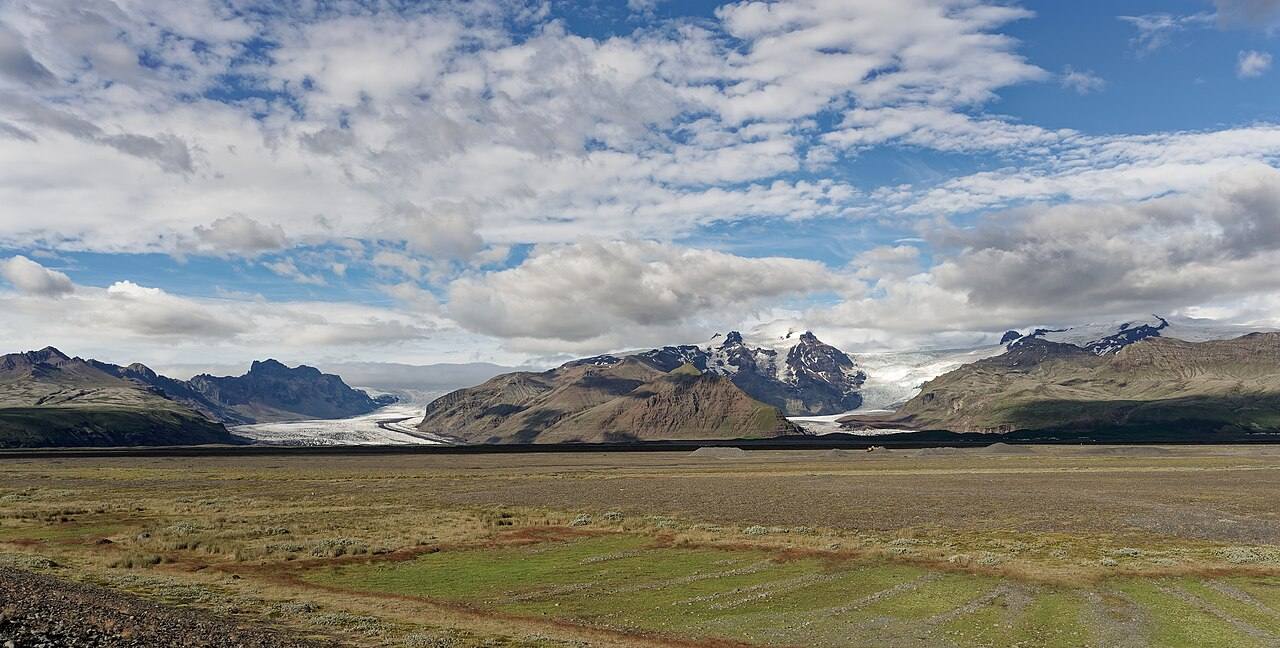
The southern glacier landscape includes wide forelands as well as ice.
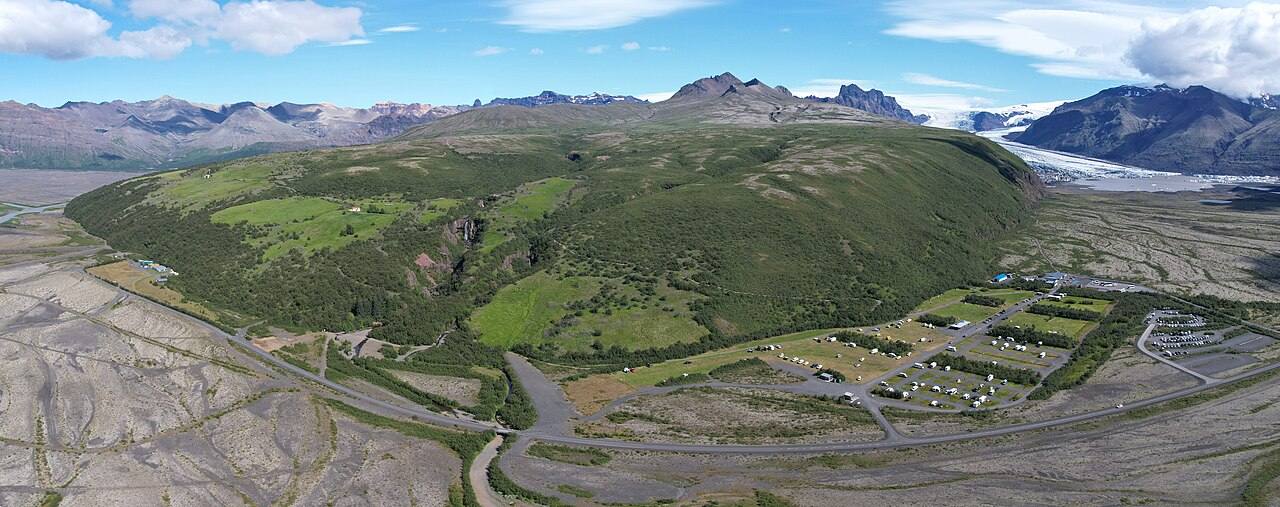
Skaftafell’s paths and private activity bases have distinct access arrangements.
Sources & last checked
Checked 20 October 2026. Prices, access and transport can change; confirm with the linked official source before travelling.
Plan your trip
Compare tours
Check current dates, inclusions and availability on GetYourGuide.
We may earn a commission on bookings through these links. How this works.