A lagoon in motion
Jökulsárlón Glacier Lagoon: complete guide [2026]
Jökulsárlón is a glacier lagoon beside Route 1 in southeast Iceland. Ice breaks from Breiðamerkurjökull, drifts through the water and moves towards the Atlantic. You can watch from shore all year when access is safe; boating is seasonal and guided winter activities are separate bookings.
Compare tours: Jökulsárlón boat tours compared [2026] →
Updated
The short answer
For a first visit, pair the lagoon shoreline with Diamond Beach and choose one main activity. Give the boat or glacier guide a fixed check-in, then keep the rest of the coast flexible.
HÖFN · ROAD 1
How much fits in a Höfn day?
Compare the road commitment before choosing an activity. Lagoon return distance is rounded from the published Höfn–Skaftafell and Skaftafell–lagoon corridor distances; it is not a live routing result.
Driving time and extra time are your assumptions. Enter the booked activity duration and check-in requirement; roads, weather and stops can add more. Do not plan an international flight or fixed ferry tightly against this estimate.
Understand the lagoon before choosing a tour
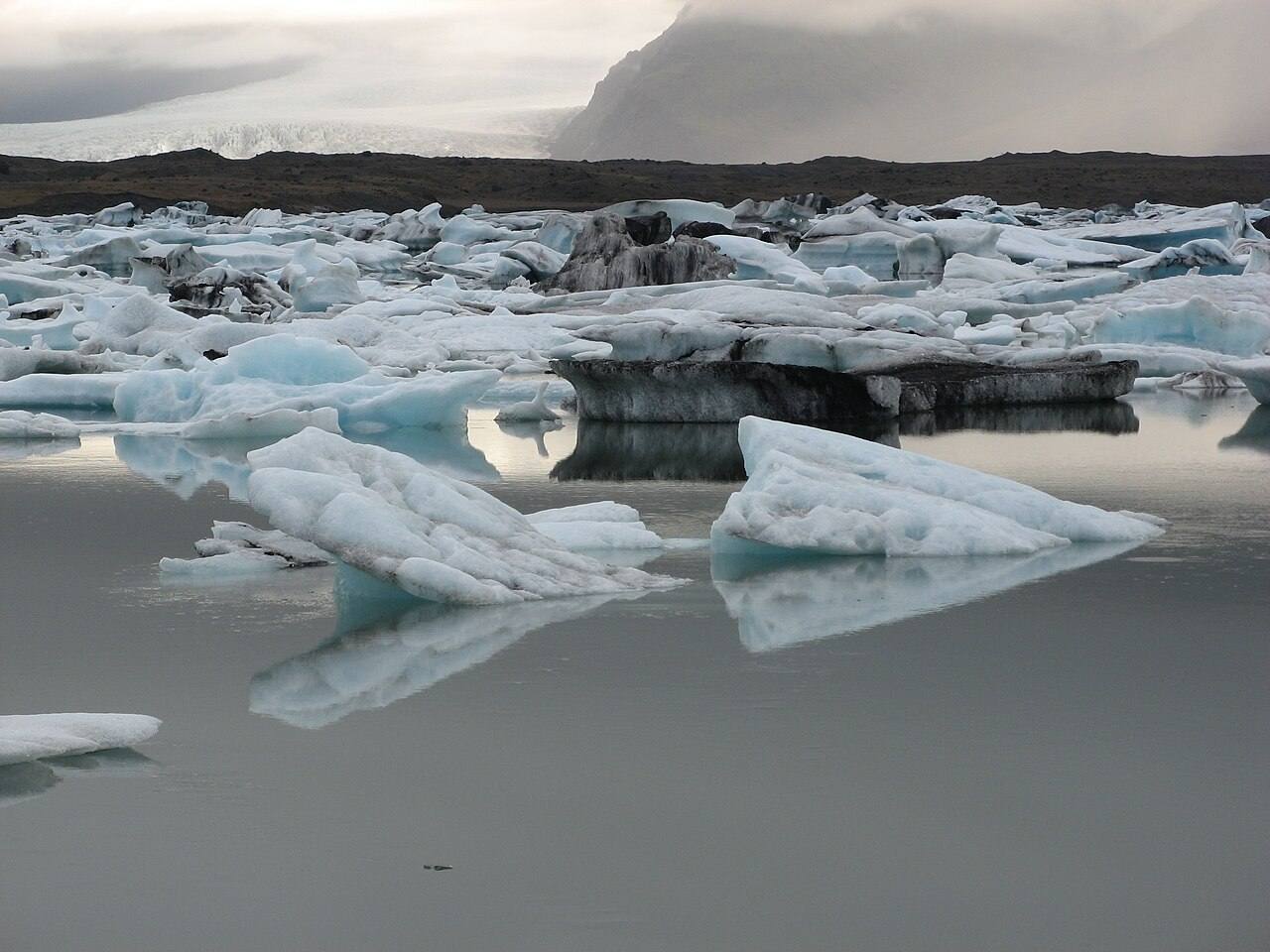
Jökulsárlón is neither a town nor the entire Vatnajökull glacier. It is the water body at the foot of Breiðamerkurjökull, one of the ice cap’s outlet glaciers. The lagoon connects to the ocean through the short outlet beside the road bridge. That connection is why a visit can include floating ice inland and scattered fragments on the black beach on the other side of Route 1.
The most useful distinction is between seeing the lagoon and buying an activity. A shoreline visit can give extensive views without a cruise. A boat adds a perspective among the icebergs, while a glacier walk or cave trip takes you to another part of the ice landscape, usually after a vehicle transfer. None of these purchases is necessary simply to stand at a designated viewpoint.
Do not judge the lagoon by whether a photograph can be recreated. Wind, weather and the movement of ice change the foreground. Seals may be seen swimming or resting on ice, but they are wildlife rather than an included attraction. Keep your attention on the changing scene and allow enough time to look without needing to keep driving immediately.
Choose one activity that fits the group
For a short summer encounter, compare the amphibian boat’s thirty-to-forty-minute excursion with the Zodiac’s approximately seventy-five-minute product. The direct 2026 adult tariffs checked were ISK 7,100 and ISK 16,600 respectively. They are operator prices, not GetYourGuide offers. Zodiac eligibility needs particular care because the operator’s age and height wording differs across its own pages.
For walking on ice, compare a named guided glacier product and its actual departure base. A Jökulsárlón-start hike is not the same journey as one beginning in Skaftafell. The checked Ice Explorers outing from the lagoon lasts four and a half hours and describes roughly four to six kilometres on varied ground. That makes fitness and shoe-size requirements part of the choice, not small print to leave until arrival.
In winter, natural caves attract strong interest, but the route is selected for the day. Choose a shorter cave outing if that matches your group, or a longer hike only if everyone wants sustained walking. Six-hour remote-cave trips and short vehicle-led cave visits should not be compared by headline price alone.
Parking is an area fee, not a beach ticket
The checked national park tariff is ISK 1,110 for a passenger car with up to five seats, ISK 1,440 for six to nine seats and ISK 450 for a motorcycle. The fee applies to the service area and is collected through parking facilities. Pay against the correct vehicle registration and follow the posted instructions rather than a third-party map’s old note.
The payment lasts until midnight that date and permits re-entry during that calendar day. It is not valid for a rolling twenty-four hours. The Jökulsárlón service area covers the lagoon and Fellsfjara beach parking; there is no reason to buy a fictional separate beach admission. Commercial activities can still charge for their own services.
Skaftafell is a separate fee area. The park advertises a fifty-percent reduction at a second fee-charging service area visited on the same date after paying at the first. Keep the dates straight, especially around an overnight stay. At private tour bases, parking terms may differ, so the operator’s actual meeting instructions remain important.
Walk the lagoon and Diamond Beach connection
The park lists the B 1 Jökulsárlón route as 1.2 kilometres and easy. Its published walking-time figure is fifteen minutes, but that is a trail listing, not a sensible target for an entire photography visit. You will want time for pauses, and ground conditions can change. Treat a named route as a guide to where to walk rather than an obligation to finish within its published estimate.
For the beach, use the pedestrian passage under the bridge. The park explicitly tells visitors not to walk over the road bridge. The B 2 Eystri-Fellsfjara route is described as an easy one-kilometre walk of around forty minutes. Follow current signage if construction or access changes the approach.
Never step onto floating ice and do not climb a beached block for a photograph. Ice can roll or move; waves can reach farther than the previous set. Keep children close and well back from the water. These are outdoor shoreline visits with real sea conditions, not managed display areas where an attractive object is safe to stand on.
Three sensible ways to build the day
If you are staying in Höfn, make the booked lagoon activity the fixed point and allow a conservative approach drive. Start by checking roads and weather; identify the exact meeting desk on the voucher. Visit the shoreline and beach around that booking, then choose any additional stop according to remaining daylight and energy. There is no advantage in forcing a second timed activity into the day.
If you are continuing along the south coast, choose whether the lagoon is a brief scenic stop or the day’s destination before booking anything. A short pause and a glacier outing consume very different amounts of time. Meals, toilets, warm-up breaks and parking must fit around the published activity duration.
If you are coming from Reykjavík without a car, compare organised transport separately. The verified boat-included coach excursion advertises fourteen hours and was from € 250 at the check. Overnight coast trips offer a different pace and include accommodation on specified terms. A capital-city pickup should never be presented as a convenient local departure for someone who has already reached Höfn.
Winter, summer and the shoulder months
Summer gives the usual boat window and longer light, but it does not guarantee calm water. The direct Zodiac product normally lists May to October. The amphibian page extends into November, while the general operator FAQ summarises early May to October. Use the actual calendar for shoulder-season decisions and expect weather or ice to interrupt service.
Winter visits have shorter daylight and can involve icy paths or disrupted driving. Shoreline access being described as year-round does not make every day a safe road journey. Natural cave products are winter-led, yet exact start and end dates vary by operator and route. A cave advertised into April is not evidence that all lagoon boats also run then.
In any season, read current park announcements. A historic closure with dates that have already passed is not a live travel warning. We checked the posted facts on 20 October 2026 and link the official condition sources so you can make the final decision near departure.
What to pack and what to verify before leaving
Keep warm layers, a wind and waterproof outer layer, hat, gloves and suitable shoes readily accessible. On a boat, flotation equipment is supplied according to the booked format, but personal clothing still matters. On a glacier, footwear requirements can be stricter and hired boots may cost extra. Read the specific product rather than assuming a generic Iceland packing list settles the issue.
Carry water and food appropriate to the plan. The lagoon has toilets and commercial refreshments, but some services are seasonal and opening details can change. Do not build an essential meal around a food stall appearing on an old map. A charged phone, offline confirmation and the meeting-point instructions are more useful than an elaborate schedule you cannot revise.
Before driving, check umferdin.is, the Met Office warnings and any operator message. If your onward holiday also includes west Iceland, our sister guide at snaefellsnesguide.com covers the peninsula as a separate route. Avoid treating the south and west ends of Iceland as spare stops on a day already committed to a glacier excursion.
Sources & last checked
Checked 20 October 2026. Prices, access and transport can change; confirm with the linked official source before travelling.
Plan your trip
Compare tours
Check current dates, inclusions and availability on GetYourGuide.
We may earn a commission on bookings through these links. How this works.