Walking on a changing landscape
Vatnajökull glacier hikes and ice caves: choose the right trip
Vatnajökull is the ice cap; your tour visits a particular outlet glacier and route. “Glacier hike” and “ice cave” describe different experiences, and two trips using the same regional name may start far apart.
Updated
The short answer
Choose the activity first, then check the departure base. In summer focus on a guided glacier walk; in winter compare cave trips by the approach and current conditions as carefully as the photographs.
A glacier walk and a cave visit are different
A glacier hike follows a guided route across the ice with technical equipment. A cave tour aims to visit a natural cavity or tunnel selected for that day’s conditions, often with a vehicle transfer and some walking. A combined product may give you both, but the balance varies.
If walking is your priority, ask for expected ice time and pace. If the cave is your priority, ask how long the approach is, how much of it is on rough ground and what happens if the guide cannot enter the planned formation.
Winter is a season, not a guarantee
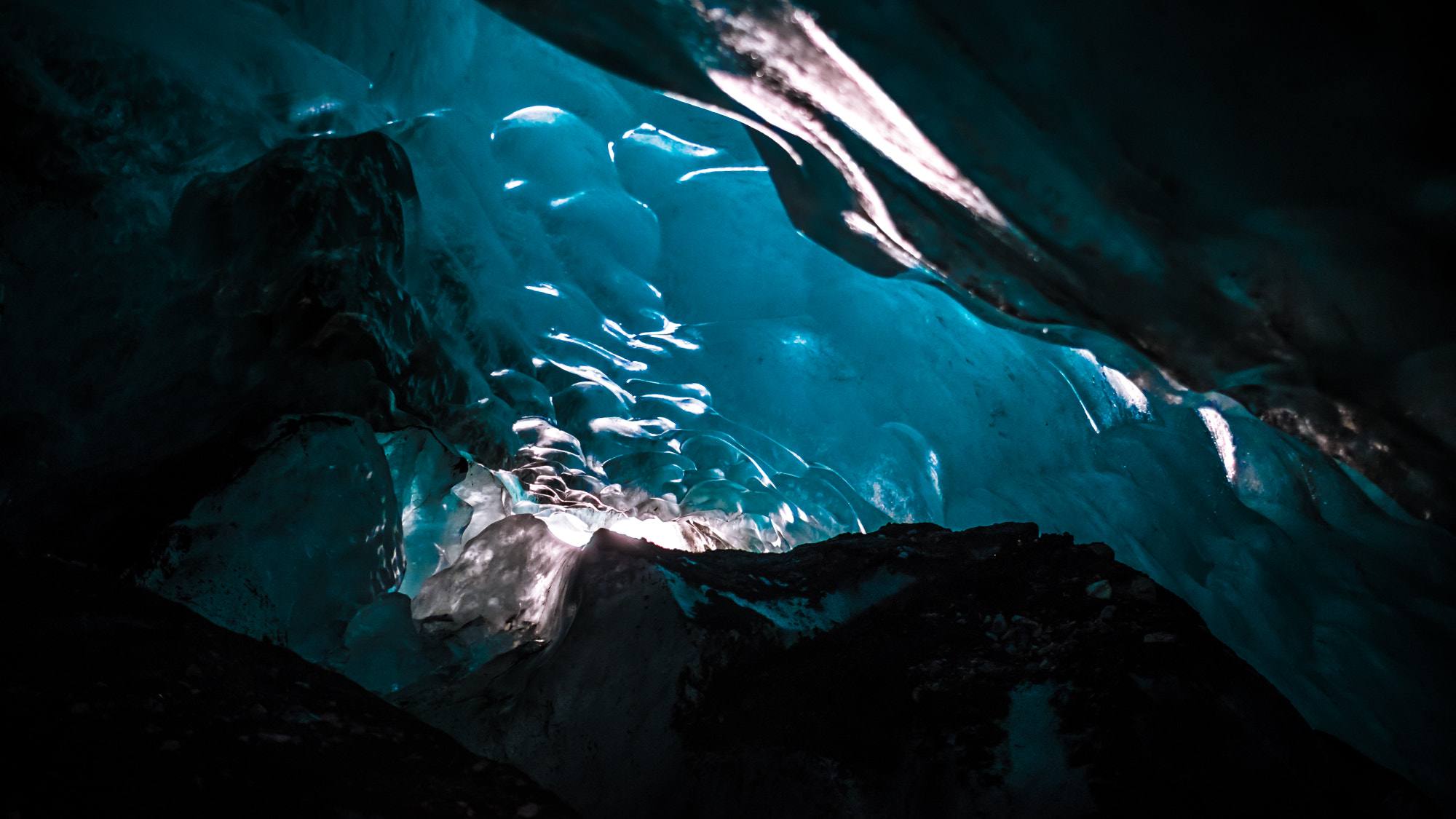
Natural Vatnajökull cave access is generally a winter activity. Regional tourism information describes November–March as a typical window, while individual operators may advertise October–April. Neither calendar means the same cave will remain open throughout it.
Water, weather and the moving glacier change the route. Archive photographs illustrate the type of scenery; they are not a contract to enter an identical blue chamber. A reputable safety cancellation is a reason to keep your itinerary flexible, not a reason to seek an unguided alternative.
Match the departure to your route
Skaftafell and Jökulsárlón are separate starting areas. Before comparing prices, open the actual meeting pin and make sure you can reach it with a sensible margin from your accommodation. A Höfn search result may still require you to drive to the lagoon or a roadside base.
Also distinguish a local activity from a multi-day Reykjavík tour. The transfer coverage, accommodation and total travel time are different products. A low headline price for a meeting-point tour does not cover an unlisted journey.
Use a product checklist
Published examples show how specific requirements can be. One Skaftafell cave-and-hike operator advertises around four hours total, with roughly 1–1.5 hours on ice, a minimum age of eight and a requirement to fit EU size 35 crampons. Those rules belong to that product; they do not apply universally.
Check the live listing for:
- Minimum age, shoe size and required fitness for every traveller.
- Total duration, actual ice time and approach walking distance.
- Included safety equipment, boot rental and waterproof clothing.
- Meeting point, arrival buffer and transport coverage.
- Weather cancellation terms and the alternative if cave access changes.
Let current conditions make the final decision
Choose a qualified glacier guide and follow their route. Technical kit does not replace knowledge of crevasses and unstable ice. Public viewpoint paths are for viewing, not permission to continue onto the glacier.
Check the road map, weather warnings and operator messages before setting out. Build another coastal stop into the plan only if time and conditions allow. You can still appreciate Jökulsárlón from shore when a boat or cave excursion cannot operate safely.
Sources & last checked
Checked 20 October 2026. Prices, access and transport can change; confirm with the linked official source before travelling.
Plan your trip
Compare tours
Check current dates, inclusions and availability on GetYourGuide.
We earn a commission on bookings through these links. How this works.